Medical & affiliate disclosure: CTX Stat provides educational laboratory information and is not a substitute for professional medical advice, diagnosis, or treatment. CTX Stat may receive compensation from some outbound provider links when an affiliate program is active; provider comparisons and rankings are based on consumer fit, effective cost, access, policies, and reputation—not commission.
Quick take
- What it measures: A DHEA-S blood test measures dehydroepiandrosterone sulfate, an androgen made mostly by the adrenal glands.
- Why it is used: Clinicians use it to help evaluate adrenal androgen production, symptoms of androgen excess, some causes of irregular periods or hirsutism, early puberty, and certain adrenal or pituitary disorders.
- Preparation: Most people do not need to fast. Tell your clinician or the ordering service about DHEA supplements, steroid hormones, and high-dose biotin. Some labs recommend stopping biotin for 72 hours before collection.
- How results are interpreted: DHEA-S is interpreted with age, sex, symptoms, medications, menstrual status, pregnancy status when relevant, and other hormone tests—not by one number alone.
- When to get medical help promptly: Rapidly worsening facial/body hair growth, voice deepening, new severe acne, menstrual changes with signs of virilization, or very abnormal results should be reviewed by a healthcare professional.
What is DHEA-S?
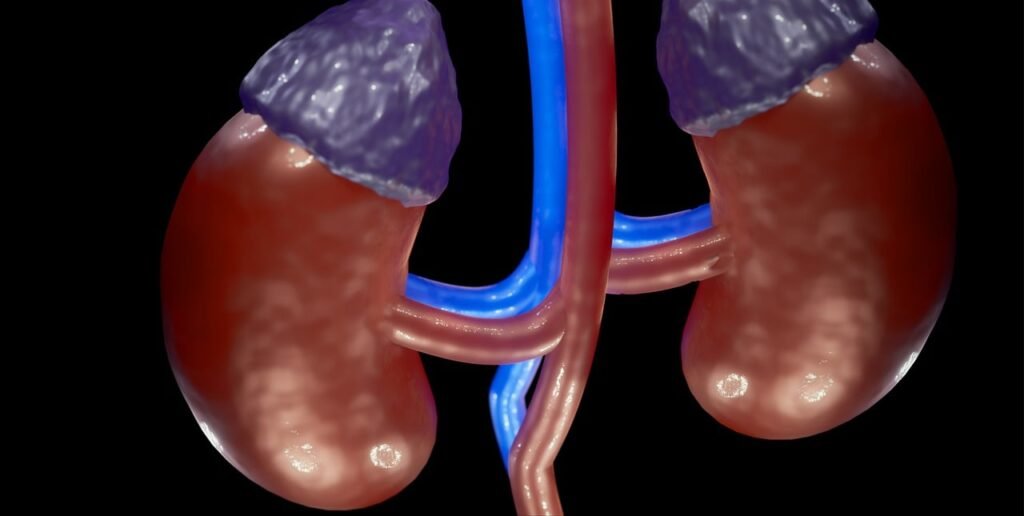
DHEA-S stands for dehydroepiandrosterone sulfate. It is a sulfated form of DHEA, a hormone produced primarily by the adrenal glands, with smaller contributions from the ovaries or testes. DHEA-S can serve as a precursor that the body can convert into other sex hormones, including androgens and estrogens. MedlinePlus describes the DHEA-sulfate test as a blood test that measures the amount of DHEA-sulfate in the blood and notes that DHEA is produced by the adrenal glands in both men and women. MedlinePlus Medical Encyclopedia
Clinically, DHEA-S is useful because it is strongly tied to adrenal androgen output. Mayo Clinic Laboratories describes DHEA-S testing as an indicator of adrenal androgen production and notes that it may be evaluated alongside DHEA, androstenedione, testosterone, estradiol, sex hormone-binding globulin, LH, and FSH depending on the clinical question. Mayo Clinic Laboratories
DHEA vs. DHEA-S: what is the difference?
DHEA and DHEA-S are related but not identical. DHEA-S is the sulfated form that circulates in the blood at more stable concentrations, which is one reason it is commonly used in lab evaluation of adrenal androgen production. DHEA is less stable and can fluctuate more. If your report says “DHEA-S,” “DHEAS,” “DHEA sulfate,” or “dehydroepiandrosterone sulfate,” it is referring to the sulfated marker—not the same test as unconjugated DHEA.
| Marker | What it reflects | Common use |
|---|---|---|
| DHEA-S | Mostly adrenal androgen production | Evaluation of androgen excess, adrenal function context, and some reproductive/endocrine workups |
| DHEA | Unconjugated DHEA hormone | Less commonly ordered alone; may be used in selected endocrine evaluations |
| Testosterone | Major androgen activity, from gonadal and adrenal sources | Often paired with DHEA-S when evaluating androgen-related symptoms |
| 17-hydroxyprogesterone | Adrenal steroid pathway marker | Used when nonclassic congenital adrenal hyperplasia is a concern |
Why a DHEA-S blood test is ordered
A DHEA-S blood test is not a general “stress” score and it does not diagnose a condition by itself. It is most useful when the question is whether adrenal androgen production may be too high, too low, or mismatched with symptoms. MedlinePlus says the test is often done in women with signs of excess male hormones, such as excess hair growth, oily skin, acne, irregular periods, or problems becoming pregnant; it may also be used in children who are maturing too early. MedlinePlus Medical Encyclopedia
Common reasons a clinician may order DHEA-S include:
- Hirsutism or androgen-excess symptoms: new or worsening facial/body hair growth, acne, scalp hair thinning, or oily skin.
- Menstrual or fertility evaluation: especially when symptoms suggest hyperandrogenism.
- Possible PCOS workup: DHEA-S may help clarify whether androgen elevation appears adrenal-predominant, although PCOS diagnosis requires broader clinical evaluation.
- Concern for adrenal disorders: high DHEA-S can occur with adrenal androgen overproduction; low DHEA-S may appear in some adrenal or pituitary disorders.
- Early puberty evaluation: in children, DHEA-S may be part of an endocrine workup for early maturation.
- Monitoring a known endocrine condition: if a clinician is following adrenal hormone patterns over time.
Professional guidelines support targeted use rather than blanket testing. The Endocrine Society’s hirsutism guideline recommends androgen testing for women with an abnormal hirsutism score and additional testing when clinical features suggest a hyperandrogenic endocrine disorder; it also recommends early morning 17-hydroxyprogesterone screening for nonclassic congenital adrenal hyperplasia in selected high-risk or hyperandrogenemic patients. Endocrine Society guideline in JCEM
How to prepare for a DHEA-S blood test
For most people, DHEA-S is a simple venous blood draw. A healthcare professional collects blood from a vein in the arm, usually in under five minutes. MedlinePlus states that no special preparation is needed for a DHEA sulfate test. MedlinePlus Medical Tests
That said, “no special preparation” does not mean “ignore supplements and medications.” Before testing, review these points:
| Preparation question | Practical answer |
|---|---|
| Do I need to fast? | Usually no. Follow the instructions from the lab or ordering clinician if they differ. |
| What time should I test? | Some consumer-order services recommend morning collection. Follow the order instructions, especially if DHEA-S is being paired with cortisol or other time-sensitive hormones. |
| Should I stop biotin? | Many hormone immunoassays can be affected by biotin depending on the assay design. The NIH Office of Dietary Supplements notes that FDA advises clinicians to consider biotin interference when lab results do not fit the clinical picture. Some labs recommend avoiding biotin for 72 hours before collection. NIH Office of Dietary Supplements |
| Should I stop DHEA supplements? | Do not stop prescribed therapy without medical advice, but tell the ordering clinician or lab if you take DHEA, DHEA-S, testosterone, estrogen, glucocorticoids, or other hormone-related products. |
| Can illness or pregnancy matter? | Yes. Acute illness, pregnancy, menstrual status, and endocrine medications can affect interpretation. Provide relevant context when results are reviewed. |
Understanding DHEA-S results
Your DHEA-S result will be reported with a unit such as micrograms per deciliter (µg/dL) or micromoles per liter (µmol/L), plus a reference interval. Reference intervals vary by age, sex, lab method, and sometimes pubertal stage. MedlinePlus lists adult ranges that differ substantially by age and sex, and it emphasizes that your provider will interpret results using symptoms, age, sex, medical history, and other blood tests. MedlinePlus Medical Tests
The most important rule: use the reference interval printed on your own lab report. Do not compare your number to a screenshot from another lab, a social-media post, or a different testing method. DHEA-S naturally tends to decline with age, and mild out-of-range results often need context or repeat testing before any conclusion is made.
What high DHEA-S may suggest
A high DHEA-S result means adrenal androgen output may be increased, but the cause depends on the pattern and the person. Possible explanations include:
- DHEA or androgen supplement use
- PCOS or another hyperandrogenic condition
- Nonclassic congenital adrenal hyperplasia in selected cases
- Adrenal gland overproduction, including uncommon adrenal tumors
- Medication effects or assay interference
High DHEA-S deserves more attention when symptoms are sudden, progressive, or severe. Examples include rapidly worsening hirsutism, deepening voice, clitoral enlargement, marked acne, rapid scalp hair loss, or new menstrual disruption. The Endocrine Society guideline notes that androgen-secreting tumors are uncommon among hyperandrogenic women, but they are part of the differential diagnosis when symptoms or lab patterns are concerning. Endocrine Society guideline in JCEM
What low DHEA-S may suggest
Low DHEA-S can occur with age and may also be seen in adrenal insufficiency, hypopituitarism, chronic glucocorticoid exposure, or other endocrine contexts. MedlinePlus lists Addison disease and hypopituitarism as conditions that may be associated with low DHEA-S. MedlinePlus Medical Tests
Low DHEA-S alone does not automatically mean you need a DHEA supplement. Mayo Clinic cautions that DHEA supplements are promoted for several uses, but they can have side effects and interactions. MedlinePlus also states there is no reliable evidence supporting anti-aging claims for over-the-counter DHEA supplements and warns that they may cause serious side effects. MedlinePlus Medical Tests
Tests commonly ordered with DHEA-S
DHEA-S is often one piece of a larger endocrine picture. Depending on symptoms, clinicians may pair it with:
- Total and free testosterone: for androgen excess or deficiency patterns.
- SHBG: to help interpret free androgen activity.
- LH, FSH, estradiol, progesterone, and prolactin: for menstrual, ovarian, or pituitary evaluation.
- 17-hydroxyprogesterone: when nonclassic congenital adrenal hyperplasia is suspected.
- Cortisol and ACTH: when adrenal insufficiency or cortisol excess is part of the clinical question.
- TSH and free T4: because thyroid disease can mimic or contribute to menstrual and hair changes.
In patients being evaluated for functional hypothalamic amenorrhea, the Endocrine Society recommends a broader endocrine workup and specifically notes that clinicians should obtain total testosterone and DHEA-S when clinical hyperandrogenism is present. Endocrine Society
Self-pay ordering and cost: what to compare
If a clinician orders DHEA-S through insurance, your cost depends on your plan, deductible, network rules, and medical necessity. If you are paying out of pocket, the main comparison points are the test configuration, total checkout cost, collection site, state access, whether a clinician order/review is included, and how results are delivered.
For consumer-initiated testing, compare effective total cost, not just the advertised test price. Add any provider-charged physician service, order, lab processing, mobile draw, or collection fees. Also make sure you are comparing the same thing: a standalone DHEA-S test is not the same as a cortisol plus DHEA-S adrenal panel.
| Provider | Test configuration shown | Listed test price | Provider fee to include | Effective listed cost | Collection / ordering notes |
|---|---|---|---|---|---|
| Labcorp OnDemand | Standalone DHEA-S blood test | $69 | No separate mandatory fee shown on the product page | $69 before any discounts or taxes | Blood draw at a Labcorp location; page lists result timing as 1 day from when the sample arrives at the lab. Labcorp OnDemand |
| Quest Health | Cortisol & DHEA-S morning adrenal panel, not standalone DHEA-S | $99 | $6 physician service fee shown on the product page | $105 before optional in-home collection or other add-ons | Blood draw at Quest locations; product page recommends morning collection and lists typical results in 3–5 business days. Quest Health |
| Walk-In Lab | Standalone DHEA-S blood test | $55 | $6 per-order physician fee shown on the product page | $61 before any valid coupon or sale price | Online order with lab collection; check the selected lab network and state rules at checkout. Walk-In Lab |
| Request A Test | Standalone DHEA-S blood test | $59 for one listed lab option | No separate mandatory physician fee shown in the cited product lines | $59 before any optional add-ons | Online order with lab finder; page states no fasting requirements and recommends stopping biotin at least 72 hours before collection. Request A Test |
| Own Your Labs | Standalone DHEA-Sulfate blood test | $32.80 | No separate mandatory fee shown in the cited shop listing | $32.80 before any checkout changes | Shop listing states to avoid biotin supplementation for 72 hours before testing. Own Your Labs |
| Private MD Labs | DHEA-S hormone test | $115 | No separate mandatory fee shown in the cited product lines | $115 before any checkout changes | Product page references Quest Diagnostics and Labcorp locations available through its ordering workflow. Private MD Labs |
Before you buy, confirm that the lab performing the test is appropriately certified. In the United States, CMS regulates most human laboratory testing through the CLIA program, whose objective is quality laboratory testing with accurate, reliable, and timely patient results. CMS CLIA program
How to talk about results with a clinician
Bring the full report, not just the DHEA-S number. Useful details include your age, sex assigned at birth, menstrual history, pregnancy status when relevant, symptoms and timeline, supplements, hormone medications, steroid exposure, and previous endocrine labs. Ask whether the result should be repeated, whether the same lab should be used for follow-up, and which paired tests would make interpretation clearer.
Good questions include:
- Is this result mildly, moderately, or markedly outside the lab’s reference interval?
- Could supplements, biotin, medications, or timing explain it?
- Do my symptoms suggest androgen excess, adrenal insufficiency, or another endocrine issue?
- Should testosterone, SHBG, 17-hydroxyprogesterone, cortisol, ACTH, LH/FSH, estradiol, prolactin, or thyroid tests be checked?
- Do I need referral to endocrinology, gynecology, reproductive endocrinology, or pediatrics?
FAQs
Is DHEA-S a fasting blood test?
Usually no. MedlinePlus states that no special preparation is needed for a DHEA sulfate test. However, always follow the instructions on your specific order, especially if other tests are being drawn at the same time. MedlinePlus Medical Tests
What is the best time of day to test DHEA-S?
DHEA-S is generally more stable than some other hormones, but some ordering services recommend morning collection, particularly when DHEA-S is paired with cortisol. If your order specifies a time window, follow it so the result can be interpreted against the intended context.
Can DHEA-S diagnose PCOS?
No. DHEA-S can support an androgen evaluation, but PCOS is diagnosed using a broader clinical picture that may include menstrual patterns, signs or lab evidence of hyperandrogenism, ovarian findings, and exclusion of other conditions.
Does a high DHEA-S result mean I have an adrenal tumor?
Not necessarily. High DHEA-S can have several explanations, including supplements, PCOS-related patterns, congenital adrenal hyperplasia variants, medication effects, assay issues, or adrenal overproduction. Very high values or rapidly progressive virilizing symptoms deserve prompt medical review.
Does a low DHEA-S result mean I should take DHEA?
No. Low DHEA-S should be interpreted with symptoms and other adrenal or pituitary tests. Over-the-counter DHEA can affect hormone levels and may cause side effects. Discuss supplementation with a clinician before starting it.
Can biotin affect DHEA-S testing?
It can affect some immunoassay-based lab tests, depending on the platform. The NIH Office of Dietary Supplements notes that FDA advises clinicians to consider biotin interference when results do not fit the clinical picture. Many labs recommend avoiding biotin for 72 hours before certain hormone blood tests. NIH Office of Dietary Supplements
How long do DHEA-S results take?
Turnaround time varies by lab and ordering route. Some consumer-order pages list results in about one day after sample arrival, while others list several business days. Delays can occur if repeat or confirmatory testing is needed.
Bottom line
The DHEA-S blood test is a targeted adrenal androgen test. It is most helpful when connected to a clear question: symptoms of androgen excess, menstrual or fertility evaluation, early puberty, or possible adrenal/pituitary disease. Preparation is usually simple, but supplement and medication context matters. If you order the test yourself, compare the full checkout cost, collection network, and test configuration—not just the headline price.
Source Notes
- MedlinePlus Medical Encyclopedia: DHEA-sulfate test
- Endocrine Society Clinical Practice Guideline: Evaluation and Treatment of Hirsutism in Premenopausal Women
- MedlinePlus: DHEA Sulfate Test
- NIH Office of Dietary Supplements: Biotin Fact Sheet for Health Professionals
- Endocrine Society: Hypothalamic Amenorrhea Guideline Resources
- CMS: Clinical Laboratory Improvement Amendments