Medical & affiliate disclosure: CTX Stat provides educational laboratory information and is not a substitute for professional medical advice, diagnosis, or treatment. CTX Stat may receive compensation from some outbound provider links when an affiliate program is active; provider comparisons and rankings are based on consumer fit, effective cost, access, policies, and reputation—not commission.
Quick take
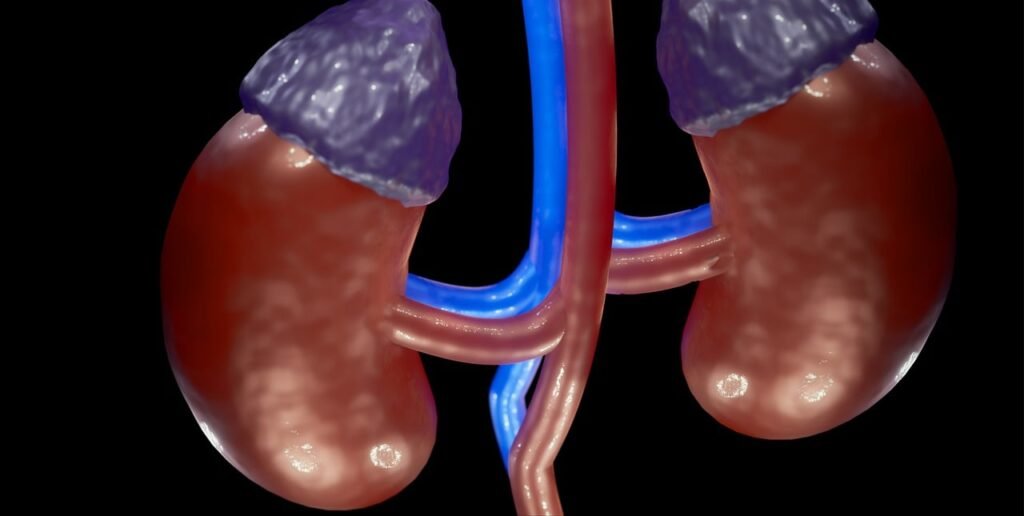
DHEA-S stands for dehydroepiandrosterone sulfate. It is an androgen-related hormone made mainly by the adrenal glands, and it can be converted in body tissues into more active androgens and estrogens. A DHEA-S blood test is most often used when a clinician is evaluating signs of excess androgens, possible adrenal hormone overproduction, or sometimes low adrenal or pituitary function. MedlinePlus explains that the test may be ordered for symptoms of either high or low DHEA-S and that results are interpreted with age, sex, symptoms, medical history, and other blood tests.
- High DHEA-S usually means the adrenal glands are producing more adrenal androgens than expected for your age and sex. Possible explanations include polycystic ovary syndrome or polyendocrine metabolic ovarian syndrome, congenital adrenal hyperplasia, an adrenal tumor, Cushing-related conditions, puberty-related changes, or DHEA supplement use.
- Low DHEA-S may occur with normal aging, adrenal insufficiency, pituitary hormone problems, or medications that suppress adrenal hormone production. Low DHEA-S by itself is not enough to diagnose adrenal insufficiency.
- The number alone is not the diagnosis. The same result can mean different things in a teenager, a 30-year-old, a postmenopausal adult, or someone taking DHEA, steroids, oral contraceptives, or gender-affirming hormone therapy.
- Very high levels or rapid new symptoms matter. Rapidly worsening facial/body hair growth, deepening voice, clitoral enlargement, new severe acne, sudden scalp hair thinning, or signs of adrenal insufficiency should be discussed promptly with a healthcare professional.
Bottom line: A high or low DHEA-S result is a clue about adrenal androgen production. It is most useful when interpreted next to testosterone, androstenedione, 17-hydroxyprogesterone, cortisol/ACTH when appropriate, menstrual or puberty history, medication and supplement history, and your lab’s own reference range.
What is DHEA-S?
DHEA-S is the sulfated form of DHEA, an adrenal androgen precursor. “Androgen” often gets described as a male-type hormone, but people of all sexes make and need androgens in different amounts. DHEA-S itself is relatively weak compared with testosterone, but it can serve as a reservoir that tissues convert into more active sex hormones.
DHEA-S is useful in lab testing because it is produced largely by the adrenal cortex and circulates at higher, more stable concentrations than DHEA. In practical terms, clinicians often use DHEA-S to ask: Is there evidence that the adrenal glands are contributing to androgen excess or adrenal hormone deficiency? Mayo Clinic Laboratories notes that elevated DHEA/DHEA-S can indicate increased adrenal androgen production, and that congenital adrenal hyperplasia may cause very high levels in some patients. Mayo Clinic Laboratories
DHEA-S is not the same as testosterone. A person can have high DHEA-S with normal testosterone, high testosterone with normal DHEA-S, or elevations in both. That pattern can help clinicians decide whether the adrenal glands, ovaries or testes, medication exposure, or another endocrine pathway is more likely involved.
High vs. low DHEA-S at a glance
| Result pattern | What it can suggest | Common context | Typical follow-up discussion |
|---|---|---|---|
| Mildly high DHEA-S | Possible adrenal contribution to androgen excess, but nonspecific | Acne, unwanted facial/body hair, irregular periods, PCOS/PMOS evaluation, DHEA supplement use | Repeat or confirm result, review supplements/medications, compare with testosterone and cycle history |
| Markedly high DHEA-S | More concern for adrenal overproduction | Rapid virilization, very high androgen labs, adrenal mass evaluation, congenital adrenal hyperplasia workup | Endocrinology referral, 17-hydroxyprogesterone, cortisol/ACTH-related testing, imaging only if clinically indicated |
| Low DHEA-S | May reflect age, adrenal insufficiency, pituitary disease, or adrenal suppression from medications | Fatigue, low blood pressure, weight loss, salt craving, known pituitary/adrenal disease, glucocorticoid exposure | Morning cortisol, ACTH, electrolyte review, medication review, adrenal stimulation testing if indicated |
| Borderline result | Often difficult to interpret alone | Result just outside the reference interval, no clear symptoms, different lab methods | Use the same lab for comparison when possible and interpret against age- and sex-specific reference ranges |
What counts as “high” or “low” DHEA-S?
There is no single universal DHEA-S cutoff that applies to everyone. DHEA-S reference intervals vary by laboratory method, units, age, and sex. Levels are low in early childhood, rise around adrenarche and puberty, often peak in young adulthood, and generally decline with age. For that reason, a DHEA-S value that is expected for a 25-year-old may be high for a 70-year-old, while a value that looks low for a young adult may be less surprising later in life.
Always compare your result with the reference range printed on the same lab report. If your report uses different units than an article, app, or forum post, do not compare the raw numbers directly. Common units include micrograms per deciliter, micromoles per liter, or other lab-specific formats.
Do not interpret DHEA-S from a screenshot alone. The result needs the unit, reference interval, age, sex used for the lab range, collection method, and medication/supplement context. DHEA supplements, anabolic steroids, glucocorticoids, oral contraceptives, anti-androgens, and some fertility or hormone treatments can change the interpretation.
What a high DHEA-S result may mean
A high DHEA-S result usually means there is increased adrenal androgen production or outside exposure to DHEA-like substances. The most likely explanation depends on the degree of elevation and your symptoms.
1. PCOS or PMOS evaluation
In people with ovaries, DHEA-S is often checked during evaluation of androgen-excess symptoms such as unwanted facial/body hair, acne, irregular periods, or scalp hair thinning. PCOS, now also described by some sources as polyendocrine metabolic ovarian syndrome, is a common cause of irregular ovulation and androgen-related symptoms. The Eunice Kennedy Shriver National Institute of Child Health and Human Development describes PCOS symptoms as wide-ranging and related to irregular ovulation and high androgen levels.
However, DHEA-S is not a stand-alone PCOS test. The 2023 international evidence-based PCOS guideline states that if testosterone or free testosterone is not elevated, clinicians may consider androstenedione and DHEA-S, while noting that DHEA-S has poorer specificity and decreases with age. It also emphasizes that markedly elevated androgens should prompt consideration of causes other than PCOS, including adrenal or ovarian tumors, congenital adrenal hyperplasia, Cushing syndrome, ovarian hyperthecosis, medication-related causes, and severe insulin resistance syndromes. Journal of Clinical Endocrinology & Metabolism
2. Congenital adrenal hyperplasia
Congenital adrenal hyperplasia, including nonclassic forms that may appear later in life, can increase adrenal androgen production. DHEA-S may be considered along with 17-hydroxyprogesterone and sometimes ACTH stimulation testing. ACOG notes that in adolescents with hyperandrogenism, supplemental testing may include ACTH stimulation to confirm nonclassic congenital adrenal hyperplasia and DHEA-S to help rule out an adrenal neoplasm in cases such as rapid virilization. ACOG
3. Adrenal tumor or adrenal cancer
Most high DHEA-S results are not cancer. Still, very high DHEA-S, especially with rapidly progressive androgen symptoms, can raise concern for an adrenal androgen-secreting tumor. The Endocrine Society’s hirsutism guideline discusses measuring DHEA-S to screen for adrenal hyperandrogenism and notes that imaging may be clinically indicated when atypical findings suggest an androgen-secreting tumor. Endocrine Society guideline in JCEM
4. Cushing-related adrenal hormone changes
Cushing syndrome and related cortisol-producing adrenal or pituitary conditions can affect multiple adrenal hormones. DHEA-S alone cannot diagnose Cushing syndrome, but it may be part of a broader endocrine picture if symptoms such as easy bruising, purple stretch marks, proximal muscle weakness, facial rounding, unexplained weight gain, high blood pressure, or high blood sugar are present.
5. DHEA supplements or hormone products
DHEA is sold as a dietary supplement in the United States, and taking it can raise DHEA-S and downstream androgens. This is one of the most important and easiest-to-miss explanations for a high result. NCCIH notes that DHEA is converted in the body to testosterone and estrogen and that long-term safety of DHEA supplements is unknown. NCCIH The NIH Office of Dietary Supplements also notes that DHEA supplementation in women can increase testosterone levels and may cause acne and facial hair growth. NIH Office of Dietary Supplements
Symptoms that may go with high DHEA-S
| Symptom or sign | Why it matters |
|---|---|
| New or worsening acne | Can reflect androgen effect on oil glands, but acne has many causes |
| Unwanted facial, chest, abdominal, or back hair growth | May indicate androgen excess, especially if progressive |
| Irregular, infrequent, or absent periods | Can occur with PCOS/PMOS, thyroid or prolactin disorders, hypothalamic causes, pregnancy, and other endocrine conditions |
| Scalp hair thinning in an androgen pattern | Can be related to androgen sensitivity, iron deficiency, thyroid disease, genetics, medications, or other factors |
| Rapid voice deepening, increased muscle mass, clitoral enlargement, or sudden severe hirsutism | More concerning for marked androgen excess and should be discussed promptly |
| Early pubic/underarm hair, body odor, acne, or rapid growth in a child | Needs pediatric evaluation for early adrenarche, early puberty, or adrenal causes |
What a low DHEA-S result may mean
Low DHEA-S is often less specific than high DHEA-S. It can be meaningful in the right clinical setting, but it is not usually enough by itself to explain nonspecific symptoms such as fatigue, low libido, low mood, or poor exercise recovery.
1. Normal age-related decline
DHEA-S commonly decreases with age. A result near the lower end of the range may be expected in older adults, depending on the lab’s reference interval. This is one reason “low-normal” DHEA-S should not automatically lead to supplementation.
2. Adrenal insufficiency
Adrenal insufficiency means the adrenal glands are not making enough cortisol, and sometimes aldosterone and adrenal androgens are also affected. Low DHEA-S can support suspicion for adrenal insufficiency when symptoms and other labs fit, but it is not diagnostic on its own. Endotext states that low DHEA-S for age and sex can be an additional marker that increases suspicion of primary adrenal insufficiency, but is not by itself diagnostic. Endotext via NCBI Bookshelf
3. Pituitary or hypothalamic hormone problems
The pituitary gland helps regulate adrenal cortisol production through ACTH. Pituitary or hypothalamic disorders can lower adrenal stimulation and may reduce DHEA-S along with other hormonal changes. In this setting, clinicians may look at morning cortisol, ACTH, thyroid hormones, prolactin, gonadotropins, sex hormones, symptoms, and sometimes pituitary imaging.
4. Medication effects
Glucocorticoid medications such as prednisone, methylprednisolone, dexamethasone, or steroid injections can suppress adrenal hormone pathways, especially with higher doses or longer exposure. Some hormonal medications can also change androgen testing interpretation. Always tell the ordering clinician about prescription medications, over-the-counter hormones, bodybuilding products, fertility treatments, and supplements.
Symptoms that may go with low DHEA-S
| Symptom or context | How to interpret it |
|---|---|
| Fatigue or low energy | Common and nonspecific; may or may not be related to adrenal or pituitary function |
| Low blood pressure, dizziness, weight loss, salt craving, nausea, or darkening skin | More concerning for adrenal insufficiency when present together and should be medically evaluated |
| Low libido or sexual symptoms | Can have hormonal, medication, relationship, vascular, mental health, sleep, and other causes |
| Known pituitary disease, prior pituitary surgery/radiation, or multiple low pituitary hormones | Low DHEA-S may fit a broader pituitary-adrenal pattern |
| Recent or long-term steroid medication use | Medication suppression is an important possibility to review before interpreting the result |
Follow-up tests that may be considered
The right follow-up depends on the reason DHEA-S was ordered. A clinician may choose none, one, or several of the following:
| Follow-up test or review | Why it may be used |
|---|---|
| Total testosterone and free testosterone | Helps assess overall androgen excess and whether the pattern is more ovarian/testicular, adrenal, medication-related, or mixed |
| Androstenedione | Another androgen precursor that may help characterize adrenal or gonadal androgen production |
| 17-hydroxyprogesterone | Often used to screen for nonclassic congenital adrenal hyperplasia in the right clinical setting |
| Morning cortisol and ACTH | Used when adrenal insufficiency or cortisol-axis problems are suspected |
| ACTH stimulation test | May be used to evaluate adrenal cortisol reserve or confirm certain adrenal enzyme disorders |
| TSH, prolactin, LH/FSH, estradiol, pregnancy test | May be part of irregular-period, infertility, pituitary, or hypothalamic evaluation |
| Medication and supplement review | Essential for identifying DHEA, anabolic steroids, glucocorticoids, oral contraceptives, anti-androgens, and hormone therapies that affect interpretation |
| Imaging | Not routine for every abnormal result; generally reserved for concerning symptoms, markedly abnormal androgens, or clinician concern for a mass |
When to contact a clinician promptly
Discuss the result promptly if you have any of the following:
- Rapidly worsening facial/body hair growth, severe acne, scalp hair loss, voice deepening, or other virilizing changes
- A markedly high DHEA-S result, especially if it is far above your lab’s age- and sex-specific range
- Symptoms that could fit adrenal insufficiency, such as fainting, severe weakness, unexplained weight loss, low blood pressure, persistent vomiting, or salt craving
- A child with early pubic or underarm hair, body odor, acne, rapid growth, or early puberty signs
- Known adrenal or pituitary disease, adrenal surgery, pituitary surgery/radiation, or current/recent steroid medication exposure
Common result patterns
High DHEA-S with normal testosterone
This can happen when adrenal androgen production is increased but downstream testosterone is not clearly elevated, or when testosterone testing is affected by method, binding proteins, medications, or timing. It may also occur with DHEA supplement use. The pattern is worth reviewing, but it does not automatically prove an adrenal tumor.
High testosterone with normal DHEA-S
This pattern may point away from DHEA-S–dominant adrenal overproduction and toward ovarian/testicular production, medication exposure, low sex hormone-binding globulin, or another cause. In PCOS/PMOS evaluation, testosterone and free testosterone are often more central than DHEA-S.
Low DHEA-S with normal cortisol
This can occur, especially with aging or nonspecific variation. If there are no symptoms of adrenal insufficiency and morning cortisol/ACTH testing is reassuring, a low DHEA-S may not change management. If symptoms or risk factors are present, a clinician may still consider further evaluation.
Borderline high or borderline low DHEA-S
Borderline results are common. They may reflect normal biologic variation, lab-method differences, age-related changes, or mild medication/supplement effects. A repeat test, preferably through the same lab, may be more useful than comparing your result with online reference ranges.
If you are paying out of pocket for DHEA-S testing
DHEA-S is a blood test. If you are ordering through a self-pay lab marketplace or direct-to-consumer service, compare the total cost rather than the headline test price alone. The practical cost can include the DHEA-S test, any provider order or processing fee charged by the service, blood draw or collection costs, and whether the lab network is convenient in your state. At-home hormone kits may use different sample types or panels, so they are not always interchangeable with a standard serum DHEA-S blood test ordered through a clinical laboratory.
If you already know which test you need, you can and check whether the option uses a blood draw, what fees the provider charges, and whether the test is available in your location.
Questions to ask about your result
- Is my DHEA-S result high or low for my age and the sex-specific reference range used by this lab?
- Could DHEA, steroid medications, oral contraceptives, hormone therapy, supplements, or bodybuilding products explain the result?
- Do my testosterone, free testosterone, androstenedione, and 17-hydroxyprogesterone results fit the same pattern?
- If my result is low, do my morning cortisol, ACTH, blood pressure, sodium, potassium, and symptoms suggest adrenal insufficiency?
- If my result is high, is the degree of elevation mild, moderate, or marked compared with the lab’s range?
- Do I need repeat testing, endocrinology referral, or additional evaluation before considering any treatment?
FAQs
Is high DHEA-S dangerous?
Not always. A mildly high DHEA-S can occur in common androgen-excess conditions or with DHEA supplement use. Markedly high DHEA-S, especially with rapid virilizing symptoms, deserves prompt medical evaluation because adrenal overproduction, congenital adrenal hyperplasia, or a tumor may need to be ruled out.
Does high DHEA-S mean I have PCOS?
No. High DHEA-S can occur in PCOS/PMOS, but it is not diagnostic by itself. PCOS diagnosis depends on a broader pattern that may include irregular ovulation, clinical or biochemical hyperandrogenism, ovarian findings, and exclusion of other causes.
Does low DHEA-S mean adrenal fatigue?
Low DHEA-S does not establish “adrenal fatigue.” In conventional endocrine evaluation, low DHEA-S may support suspicion for adrenal insufficiency only when symptoms and other tests fit. Morning cortisol, ACTH, electrolytes, and sometimes stimulation testing are more important for evaluating adrenal insufficiency.
Should I take DHEA if my DHEA-S is low?
Do not start DHEA solely because a lab value is low without discussing it with a clinician. DHEA can raise testosterone and estrogen-related hormones and may cause androgenic side effects such as acne or unwanted hair growth. The Endocrine Society recommends against routine DHEA therapy in women with adrenal insufficiency because evidence about effectiveness and safety is limited. Endocrine Society guideline in JCEM
Can stress raise or lower DHEA-S?
Stress physiology is complex, and DHEA-S is not a simple stress meter. A single DHEA-S result should not be used to diagnose chronic stress, burnout, or adrenal fatigue. If symptoms are significant, it is better to evaluate specific medical possibilities such as anemia, thyroid disease, sleep disorders, medication effects, adrenal insufficiency, depression, or inflammatory conditions.
What level of DHEA-S suggests an adrenal tumor?
There is no universal cutoff that applies to every lab and patient, but very high DHEA-S levels are more concerning than mild elevations. Older hirsutism guidance has discussed very high DHEA-S levels, such as above 700 micrograms per deciliter, as more predictive of tumor in some contexts, but modern interpretation still depends on the lab range, symptoms, testosterone level, age, and clinical picture. Endocrine Society guideline in JCEM
Can birth control affect DHEA-S results?
Hormonal contraceptives can change androgen interpretation, especially by increasing sex hormone-binding globulin and reducing ovarian androgen production. DHEA-S may be less affected than testosterone in some settings, but the whole androgen panel should be interpreted with contraceptive use in mind.
Is DHEA-S better than DHEA testing?
For many clinical purposes, DHEA-S is preferred because it is more stable in the bloodstream and more strongly reflects adrenal androgen production. DHEA may be ordered in specific contexts, but DHEA-S is commonly used when evaluating adrenal contribution to androgen excess.
Source Notes
- MedlinePlus — Dhea Sulfate Test
- Eunice Kennedy Shriver National Institute of Child Health and Human Development
- 2023 International Evidence-based Guideline for PCOS assessment and management
- acog.org — Screening And Management Of The Hyperandrogenic Adolescent
- Endocrine Society: Evaluation and Treatment of Hirsutism in Premenopausal Women
- NCCIH: Menopausal Symptoms—DHEA safety context
- NIH Office of Dietary Supplements: DHEA supplement information
- Endotext: Diagnosis and Management of Adrenal Insufficiency
- Endocrine Society guideline in JCEM
- Endocrine Society guideline in JCEM
- MedlinePlus Medical Encyclopedia: DHEA-sulfate test