Medical & affiliate disclosure: CTX Stat provides educational laboratory information and is not a substitute for professional medical advice, diagnosis, or treatment. CTX Stat may receive compensation from some outbound provider links when an affiliate program is active; provider comparisons and rankings are based on consumer fit, effective cost, access, policies, and reputation—not commission.
Quick take: what “high” or “low” means on a urinalysis
A urinalysis is not one single number. It is a panel of urine checks that may include appearance, concentration, acidity, protein, blood, glucose, ketones, bilirubin, leukocyte esterase, nitrite, and microscopic findings such as red blood cells, white blood cells, bacteria, crystals, casts, or epithelial cells. That is why a “high low urinalysis” result can mean very different things depending on which line item is flagged.
In general, a low or negative result is normal for many urine substances, including blood, glucose, ketones, nitrite, leukocyte esterase, and most protein. A high, positive, trace, 1+, 2+, or 3+ result may be meaningful, but it is not automatically a diagnosis. The MedlinePlus urinalysis overview explains that urinalysis can detect substances not normally present in urine, while Mayo Clinic emphasizes that results are interpreted in context with symptoms, medical history, and other tests.
How to read a urinalysis report
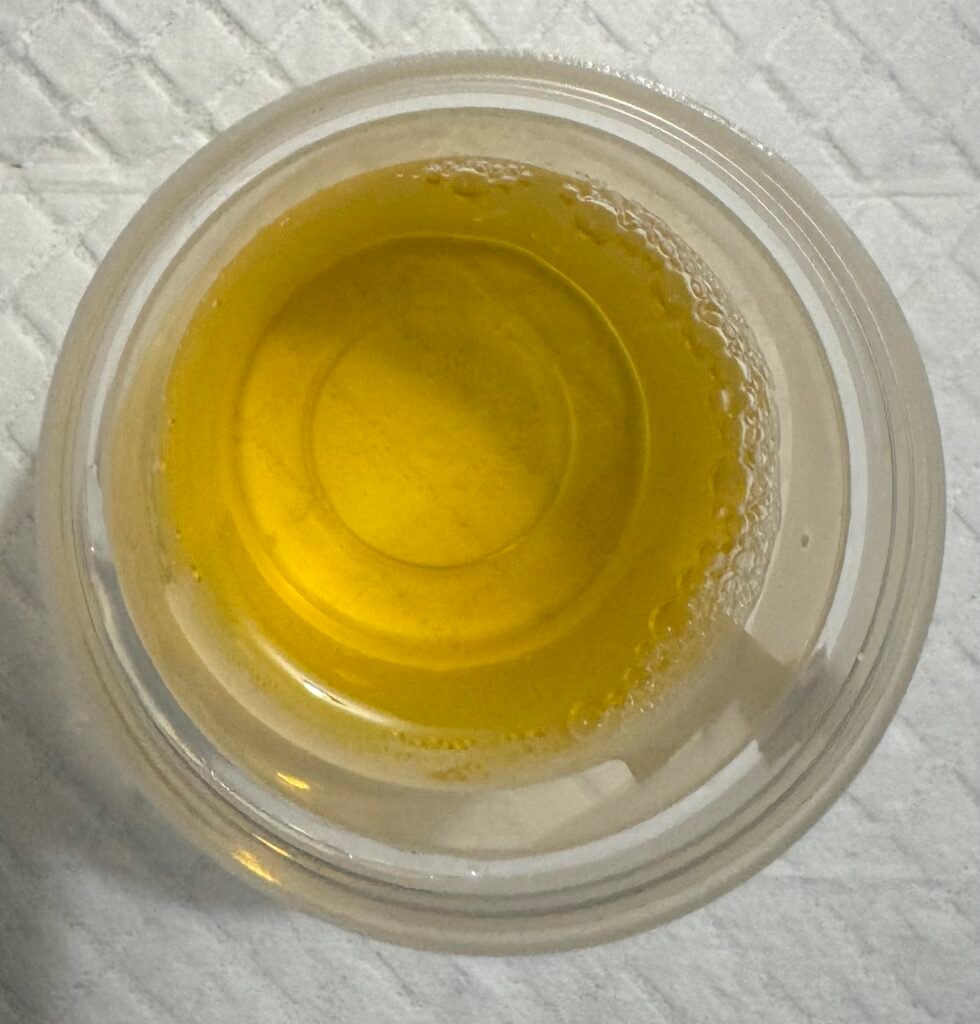
A routine urinalysis often has three parts. The first is a visual exam, which looks at color and clarity. The second is a chemical dipstick, where a reagent strip screens for substances such as protein, blood, glucose, ketones, nitrite, leukocyte esterase, bilirubin, pH, and specific gravity. The third is microscopy, which may be done automatically or by a trained laboratory professional to look for cells, bacteria, crystals, casts, and other material. The American Academy of Family Physicians describes comprehensive urinalysis as an assessment that combines inspection, dipstick chemistry, and microscopy.
Reference ranges vary by laboratory, specimen type, and instrument. For example, one lab may list urine pH as 5.0–8.0, while another may show a slightly different range. Cleveland Clinic lists common normal urinalysis findings such as urine pH around 5.0–8.0 and negative results for several dipstick substances. Your own report’s reference interval is the best starting point.
Also, urinalysis words are not always intuitive. “High” may appear for a numeric value such as specific gravity or red blood cells per high-power field. “Positive,” “trace,” “small,” “moderate,” “large,” or “1+ to 4+” are semi-quantitative results. They suggest an amount but are not as precise as a blood chemistry value. “Abnormal” may simply mean the result falls outside the lab’s expected category; it does not tell you whether the cause is temporary, contaminated, or medically important.
Common high, low, positive, and negative urinalysis results
| Urinalysis item | Usual expected result | What a high/positive result may suggest | What a lowegative result may suggest |
|---|---|---|---|
| Specific gravity | Often about 1.005–1.030, depending on the lab | Concentrated urine, dehydration, glucose or protein in urine, or other concentration changes | Dilute urine from high fluid intake, diuretics, or less commonly impaired concentrating ability |
| pH | Usually acidic to mildly alkaline | Alkaline urine; can occur with some diets, medications, sample delay, or certain infections | More acidic urine; can occur with diet, fasting, metabolic factors, or some medications |
| Protein | Negative or trace | Temporary protein from exercise, fever, dehydration, UTI, or kidney-related protein leakage | Negative is generally expected |
| Blood / RBCs | Negative or very few RBCs | Hematuria from UTI, stones, kidney disease, trauma, vigorous exercise, menstruation contamination, or other causes | Negative is generally expected |
| Leukocyte esterase / WBCs | Negative or few WBCs | Inflammation or infection in the urinary tract; contamination is also possible | Negative makes significant inflammation less likely but does not rule out all infection |
| Nitrite | Negative | May suggest nitrate-reducing bacteria in the urine, especially with UTI symptoms | Negative is common and does not fully rule out UTI |
| Glucose | Negative | Glucose spilling into urine, often from high blood glucose, some kidney-tubule conditions, or pregnancy-related changes | Negative is generally expected |
| Ketones | Negative | Fasting, low-carbohydrate diet, vomiting, prolonged exercise, pregnancy, or poorly controlled diabetes | Negative is generally expected |
| Bilirubin / urobilinogen | Bilirubin usually negative; urobilinogen lowormal | May point toward liver, bile duct, or red-blood-cell breakdown issues, depending on the pattern | Negative bilirubin is expected; low urobilinogen is often not important alone |
| Casts | None or occasional hyaline casts | Certain casts can suggest kidney-tubule or glomerular disease and usually need clinical interpretation | None is generally expected |
Specific gravity: high or low urine concentration
Urine specific gravity estimates how concentrated the urine is compared with water. A higher value means the urine is more concentrated; a lower value means it is more dilute. A mildly high value often reflects not drinking much fluid, sweating, vomiting, diarrhea, or first-morning urine. A low value may simply mean you drank a lot of water before the sample.
Specific gravity becomes more important when it is extreme, persistent, or paired with symptoms. For example, very dilute urine with excessive thirst and urination may prompt evaluation for diabetes mellitus, diabetes insipidus, kidney concentrating problems, or medication effects. Very concentrated urine with dizziness, dry mouth, dark urine, or reduced urination can fit dehydration. The AAFP review notes that specific gravity is useful for hydration status but can be affected by substances such as glucose or protein in urine.
Urine pH: high alkaline or low acidic urine
Urine pH describes acidity. Lower numbers are more acidic; higher numbers are more alkaline. Diet, medications, timing, and sample handling can all affect pH. A high pH can occur with a vegetarian-leaning diet, some antacids or alkalinizing medicines, or bacteria that split urea. A low pH can occur with high-protein diets, fasting, diarrhea, and certain metabolic states.
By itself, urine pH rarely diagnoses a condition. It matters more when paired with crystals, kidney stone history, recurrent urinary infections, or metabolic concerns. Delayed testing can also change pH because bacteria can alter urine chemistry after collection.
Protein: trace, 1+, 2+, or 3+ protein in urine
Protein is one of the most common urinalysis flags that causes concern. A dipstick is most sensitive to albumin, a blood protein that should usually remain in the bloodstream. Trace protein can happen temporarily after exercise, fever, dehydration, stress, or a urinary tract infection. Concentrated urine can make a small amount of protein appear more prominent.
Persistent protein is different. Repeated protein-positive results, especially 1+ or higher, may point to kidney filtering problems, diabetes-related kidney disease, high blood pressure effects, inflammatory kidney disease, or other kidney conditions. The National Kidney Foundation explains that albumin in urine is called albuminuria and that a urine albumin-creatinine ratio, often abbreviated uACR, helps quantify kidney damage risk. If protein is found on a routine dipstick, a clinician may order uACR, urine protein-creatinine ratio, serum creatinine, estimated glomerular filtration rate, blood pressure checks, and repeat testing.
Blood or red blood cells: positive blood, trace blood, or high RBCs
A urine dipstick can be positive for “blood” because of red blood cells, free hemoglobin, or myoglobin from muscle injury. Microscopy helps determine whether red blood cells are actually present. Visible pink, red, tea-colored, or cola-colored urine is called gross hematuria; microscopic hematuria means blood is detected by testing but not seen by the eye. The National Institute of Diabetes and Digestive and Kidney Diseases lists possible causes of hematuria including urinary tract infection, stones, trauma, vigorous exercise, prostate conditions, kidney disease, and cancers of the urinary tract.
Blood in urine should not be dismissed if it persists, is visible, occurs with pain, or happens without an obvious explanation. Menstrual contamination, recent strenuous exercise, sexual activity, recent urinary procedures, and collection technique can all affect results, so repeat testing with a clean specimen is often useful. However, visible blood, clots, fever, flank pain, or recurrent unexplained blood needs prompt medical evaluation.
Leukocyte esterase and white blood cells: inflammation or infection signal
Leukocyte esterase is an enzyme found in certain white blood cells. A positive result suggests white blood cells in the urine, which can occur with a urinary tract infection, inflammation, kidney infection, sexually transmitted infection, stones, or contamination from vaginal secretions. Microscopy may report white blood cells per high-power field.
A positive leukocyte esterase result is most meaningful when paired with symptoms such as burning with urination, urgency, frequency, pelvic discomfort, cloudy or foul-smelling urine, fever, or back pain. It is less specific in people without symptoms because contamination and noninfectious inflammation can cause positive results. According to the AAFP review, leukocyte esterase can be affected by contamination and other factors, and it should be interpreted with the clinical picture.
Nitrite: a more specific bacteria clue, but not a perfect UTI test
Nitrite is normally negative. Some bacteria that commonly cause UTIs convert nitrate to nitrite while urine sits in the bladder. A positive nitrite result can therefore support a UTI diagnosis, especially if urinary symptoms are present. However, nitrite can be negative even with a UTI because not all bacteria make nitrite, urine may not have remained in the bladder long enough, or vitamin C and other factors may interfere. AAFP notes that nitrite tends to be more specific for bacterial UTI than leukocyte esterase, but false negatives occur.
When UTI is suspected, clinicians may treat based on symptoms and dipstick findings, or they may order a urine culture. Culture is particularly important when infection is recurrent, complicated, occurs during pregnancy, involves fever or flank pain, affects men or children, or does not improve with initial treatment.
Glucose: sugar in the urine
Urine glucose is usually negative. A positive result often means blood glucose has been high enough that the kidneys spill glucose into urine. This can occur with diabetes or, less commonly, with kidney-tubule conditions. Pregnancy can lower the kidney threshold for glucose, so urine glucose may be interpreted differently in prenatal care.
A positive urine glucose result usually needs follow-up with blood glucose testing, A1C, medication review, and symptom assessment. It is especially important if you have increased thirst, frequent urination, unexplained weight changes, blurry vision, fatigue, or a history of diabetes.
Ketones: fasting, illness, low-carb diets, or diabetes concerns
Ketones appear when the body is using fat for energy. A positive urine ketone result may happen with fasting, prolonged vomiting, low-carbohydrate diets, heavy exercise, pregnancy, or poorly controlled diabetes. Small ketones after skipping meals may be less concerning than moderate or large ketones in a person with diabetes, high blood glucose, vomiting, abdominal pain, confusion, rapid breathing, or dehydration symptoms.
People with diabetes should follow their care plan for ketone testing and seek urgent advice for moderate to large ketones or symptoms of diabetic ketoacidosis. Urine ketones lag behind blood ketones, so clinicians may use blood ketone testing in higher-risk situations.
Bilirubin and urobilinogen
Bilirubin is usually negative in urine. A positive bilirubin result may suggest that conjugated bilirubin is entering the urine, which can happen with liver disease or bile flow obstruction. Urobilinogen is formed from bilirubin processing in the gut and is usually present in small amounts. High urobilinogen can be seen with some liver conditions or increased red blood cell breakdown. These findings are not interpreted alone; clinicians usually compare them with blood liver enzymes, bilirubin levels, symptoms, medication history, and physical findings such as jaundice.
Microscopy: RBCs, WBCs, bacteria, crystals, epithelial cells, and casts
Microscopic urinalysis can clarify a dipstick flag. Red blood cells support true hematuria. White blood cells support inflammation. Bacteria may support infection if the sample was collected properly and symptoms fit. Squamous epithelial cells often suggest skin or genital contamination, especially in a clean-catch specimen. Crystals may be incidental, but some crystal patterns matter when stones, kidney disease, or medication effects are suspected.
Casts are tube-shaped structures formed in kidney tubules. Occasional hyaline casts can be benign, especially after exercise or dehydration. Red blood cell casts, white blood cell casts, granular casts, or many casts can be more concerning because they may point toward kidney inflammation or tubular injury. Mayo Clinic notes that casts can be associated with kidney disorders, so abnormal cast findings usually deserve clinician interpretation.
Patterns that matter more than one abnormal flag
Urinalysis is most useful when the pattern makes clinical sense. A single mild abnormal result may be temporary, but a cluster of findings can be more informative.
| Pattern | Possible interpretation | Common next step |
|---|---|---|
| Leukocyte esterase + nitrite + urinary burning/frequency | Often suspicious for bacterial UTI | Clinician review; urine culture in higher-risk or uncertain cases |
| Blood + flank pain | Stone, infection, or other urinary tract cause | Prompt evaluation; imaging or culture may be needed |
| Protein + blood + casts | Possible kidney-filter or kidney-tubule disorder | Kidney function blood tests, urine protein quantification, blood pressure check |
| Glucose + ketones + high diabetes symptoms | Possible significant hyperglycemia or ketosis | Same-day medical advice, especially with vomiting or illness |
| High specific gravity + dark urine + trace protein | May fit dehydration or concentrated urine | Repeat when hydrated if clinician agrees |
| Many epithelial cells + bacteria but few symptoms | Possible contaminated sample | Repeat clean-catch specimen or culture if clinically needed |
Preparation and sample-quality issues that can change results
Urinalysis is sensitive to collection quality. For a clean-catch urine sample, you are usually asked to wash or wipe the genital area, start urinating, collect the midstream portion in a sterile cup, and avoid touching the inside of the cup or lid. If a sample sits too long before testing, cells can break down and bacteria can multiply, affecting pH, nitrite, clarity, and microscopic findings.
Hydration matters. Drinking a large amount of water right before testing can dilute urine, potentially lowering specific gravity and reducing the concentration of substances such as protein or cells. Being dehydrated can concentrate urine and make color darker or specific gravity higher. Strenuous exercise shortly before testing can sometimes cause temporary protein or blood. Menstruation, vaginal discharge, semen, skin bacteria, and poor collection technique can contaminate the sample.
Medications and supplements can also interfere. Phenazopyridine, a urinary pain reliever that turns urine orange, can affect some dipstick readings. Vitamin C can cause false-negative results for some dipstick tests. Antibiotics, diuretics, antacids, and other medicines may influence urine chemistry. If an abnormal result is unexpected, tell your clinician about recent exercise, menstrual timing, supplements, over-the-counter urinary products, and prescription medications.
Practical next steps after a high or low urinalysis result
- Identify the exact line item. “Abnormal urinalysis” is too vague. Look for the flagged test name: protein, blood, leukocyte esterase, nitrite, specific gravity, pH, glucose, ketones, bilirubin, RBCs, WBCs, bacteria, casts, or crystals.
- Check the unit and reference range. A numeric result should be compared with your lab’s range. A dipstick result such as trace or 1+ should be interpreted as a screen, not a precise measurement.
- Match the result to symptoms. Burning, urgency, fever, flank pain, visible blood, swelling, high blood pressure, diabetes symptoms, vomiting, pregnancy, or immune suppression can change urgency.
- Consider whether the sample may be contaminated or diluted. Menstrual blood, poor clean-catch technique, delayed processing, heavy hydration, and recent exercise are common reasons for confusing results.
- Ask whether repeat or confirmatory testing is needed. Common follow-ups include repeat urinalysis, urine culture, urine albumin-creatinine ratio, urine protein-creatinine ratio, serum creatinine/eGFR, blood glucose, A1C, liver tests, pregnancy testing, STI testing, or imaging.
What about cost?
A routine urinalysis is usually one of the lower-cost lab tests, but the total out-of-pocket price depends on where it is ordered, whether a clinician visit is required, whether insurance applies, and whether additional tests are added. A urine culture, uACR, urine protein-creatinine ratio, pregnancy test, STI test, kidney function blood test, or imaging study is billed separately. If you are paying cash, compare the effective total cost rather than the sticker price: include the lab test price, any required ordering or clinician fee, specimen collection fee, processing fee, and whether follow-up interpretation is included.
FAQs
What does a high urinalysis result mean?
It depends on which result is high. High specific gravity often means concentrated urine. High red blood cells means hematuria. High white blood cells or leukocyte esterase suggests inflammation. Positive glucose, ketones, bilirubin, protein, or nitrite each has a different interpretation. The most useful question is not “Is my urinalysis high?” but “Which urinalysis component is abnormal, and does it fit my symptoms?”
What does a low urinalysis result mean?
Low is most relevant for specific gravity, where it means dilute urine. For many other items, low or negative is normal. Negative protein, blood, glucose, ketones, bilirubin, nitrite, and leukocyte esterase are generally expected results.
Can dehydration cause abnormal urinalysis results?
Yes. Dehydration can raise urine specific gravity and darken urine. Concentrated urine can also make trace substances appear more noticeable. If your result is mild and you feel well, a clinician may recommend repeating the urinalysis with a properly collected sample when you are normally hydrated.
Does positive leukocyte esterase always mean a UTI?
No. Leukocyte esterase suggests white blood cells, which can occur with UTI, but also with contamination, inflammation, stones, some sexually transmitted infections, or other urinary tract conditions. UTI is more likely when leukocyte esterase is paired with nitrite, urinary burning, urgency, frequency, pelvic pain, fever, or flank pain.
Can nitrite be negative even if I have a UTI?
Yes. Some UTI-causing bacteria do not produce nitrite, and urine may not stay in the bladder long enough for nitrite to form. A negative nitrite result does not fully rule out UTI, especially if symptoms are typical.
Is trace protein in urine normal?
Trace protein can be temporary, especially after exercise, fever, dehydration, or infection. Persistent protein, higher levels, or protein combined with blood, casts, diabetes, high blood pressure, swelling, or abnormal kidney blood tests should be followed up.
What does blood in urine mean if I cannot see it?
Microscopic blood means red blood cells or a blood-positive dipstick was detected even though the urine looks normal. Causes range from contamination or recent exercise to UTI, stones, prostate issues, kidney disease, or other urinary tract conditions. Persistent or unexplained blood should be evaluated.
What does high urine pH mean?
High pH means the urine is more alkaline. It can be related to diet, medications, delayed sample processing, or certain bacteria. It is most useful when interpreted with symptoms, urine culture results, kidney stone history, and microscopic findings such as crystals.
Should I repeat an abnormal urinalysis?
Often, yes—especially if the abnormality is mild, unexpected, or possibly related to hydration, exercise, menstruation, or collection technique. But do not delay care for red flags such as visible blood, fever with flank pain, pregnancy with urinary symptoms, severe pain, or high-risk diabetes symptoms.
Source Notes
- MedlinePlus urinalysis overview
- Mayo Clinic — Pac 20384907
- American Academy of Family Physicians: Office-Based Urinalysis—A Comprehensive Review
- Cleveland Clinic: Urinalysis
- National Kidney Foundation: Urine Albumin-Creatinine Ratio
- National Institute of Diabetes and Digestive and Kidney Diseases
- MedlinePlus Medical Encyclopedia: Urinalysis